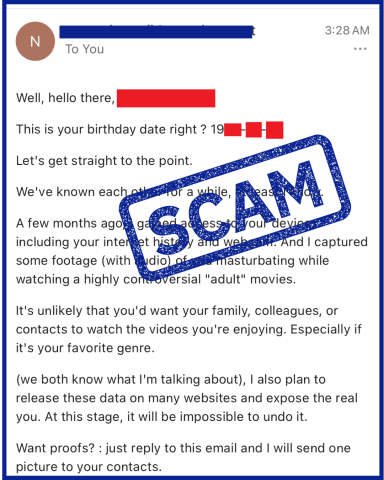
Phishing remains one of the most widespread forms of cyber-enabled financial crime. Fraudsters disguise emails, messages, or websites to look like legitimate institutions, tricking victims into revealing sensitive information. Once account credentials or banking details are stolen, the fraud can unfold within minutes.
This was the reality for one of our clients, who received an email that appeared to come from their broker’s support team. The email warned of “urgent account verification” and contained a link to what looked like the broker’s login page. Believing it to be genuine, the victim entered their username and password—unaware that the page was controlled by scammers.
Within minutes, the fraudsters accessed the real account and transferred funds out almost instantly.
How Phishing & Email Investment Scams Work
These scams often follow a predictable but effective pattern:
– Through swift action, we successfully reclaimed a significant portion of the victim’s lost assets.
Why Phishing is So Dangerous
Phishing is particularly damaging because it relies on psychological manipulation rather than technical hacking. Even the most cautious investors can fall victim to a convincingly designed email or website. Once credentials are stolen, the fraudsters act quickly—making speed of response critical to any recovery.
Can Phishing Victims Recover Their Funds?
Yes—although recovery depends on how quickly the fraud is reported. If victims act immediately, banks and payment providers can often freeze suspicious transfers before the money disappears. Cyber forensics and legal escalation increase the chances of success.
At our firm, we specialize in phishing scam recovery and cyber fraud investigation, helping victims trace stolen funds, hold scammers accountable, and recover assets lost to email-based investment fraud.
C.FLA Agency offers free consultations. Subsequent recovery services may involve retainers, fees, or commissions based on case history and service type. We do not provide financial investments or advice. May not apply to cryptocurrency cases.
Contact Us
Level 12/456 Collins St, Melbourne VIC 3000, Australia